


Hapio
A downloadable Casual game
Play on TestFlight Ready to play Hapio? 📱
Join the latest build on TestFlight and gather 3–5 players with iPhones to experience the game together.
[Join Hapio on TestFlight]
👉 https://testflight.apple.com/join/FZSTZbrc
1. Game Introduction
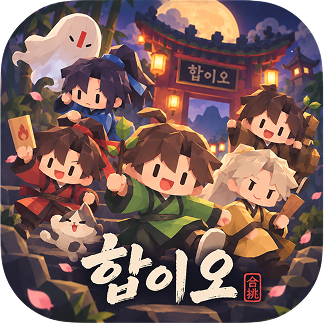
Hapio is a face-to-face cooperative party game for 3–5 players, where multiple players with iPhones come together to form a single battlefield against creatures inspired by Korean tradition.
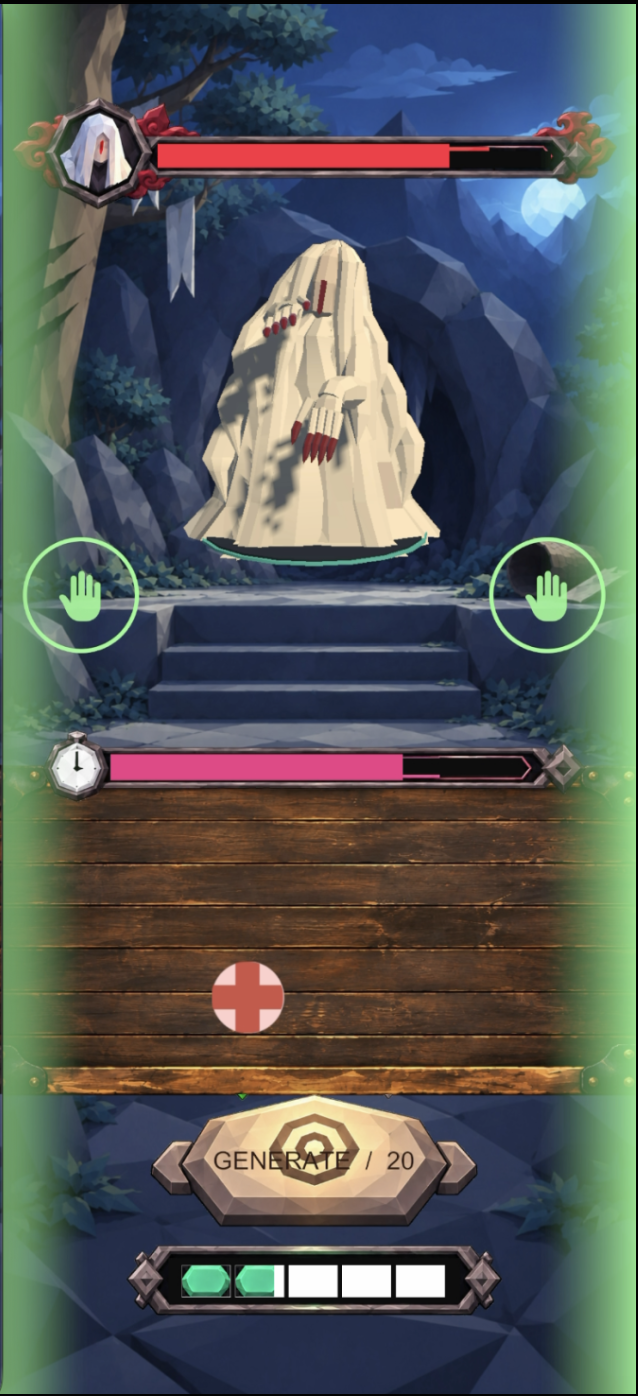
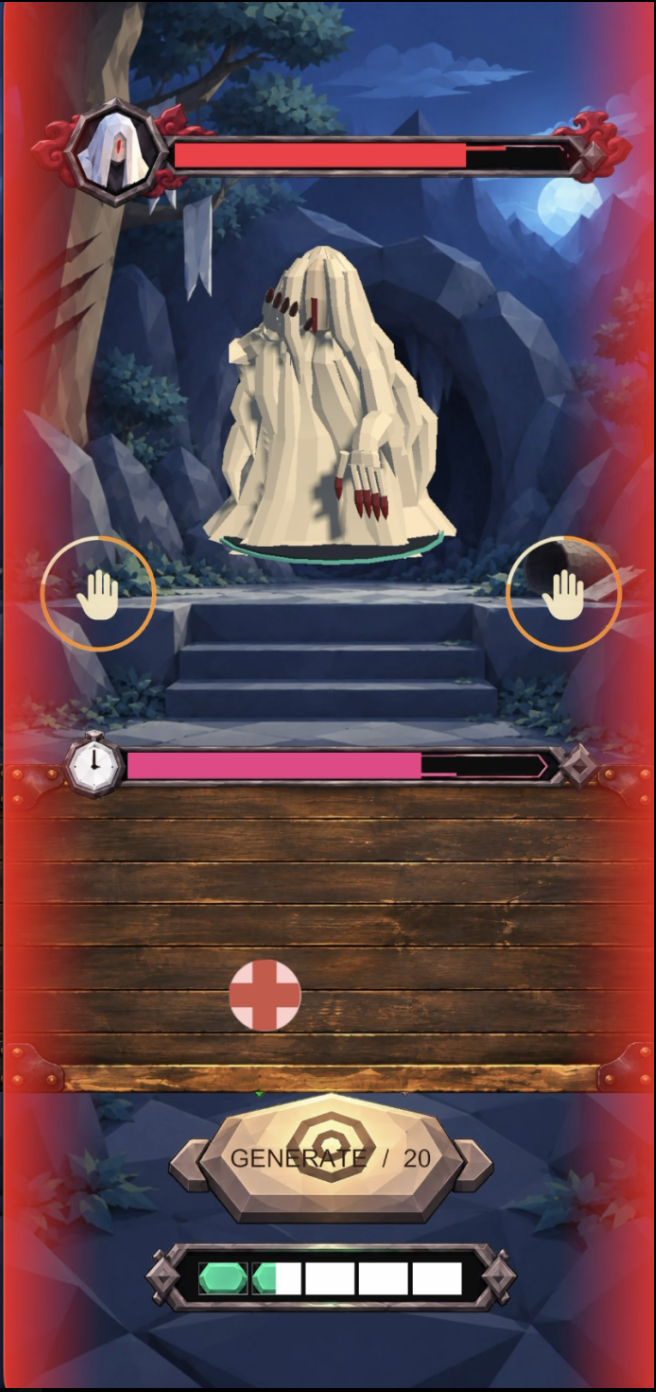
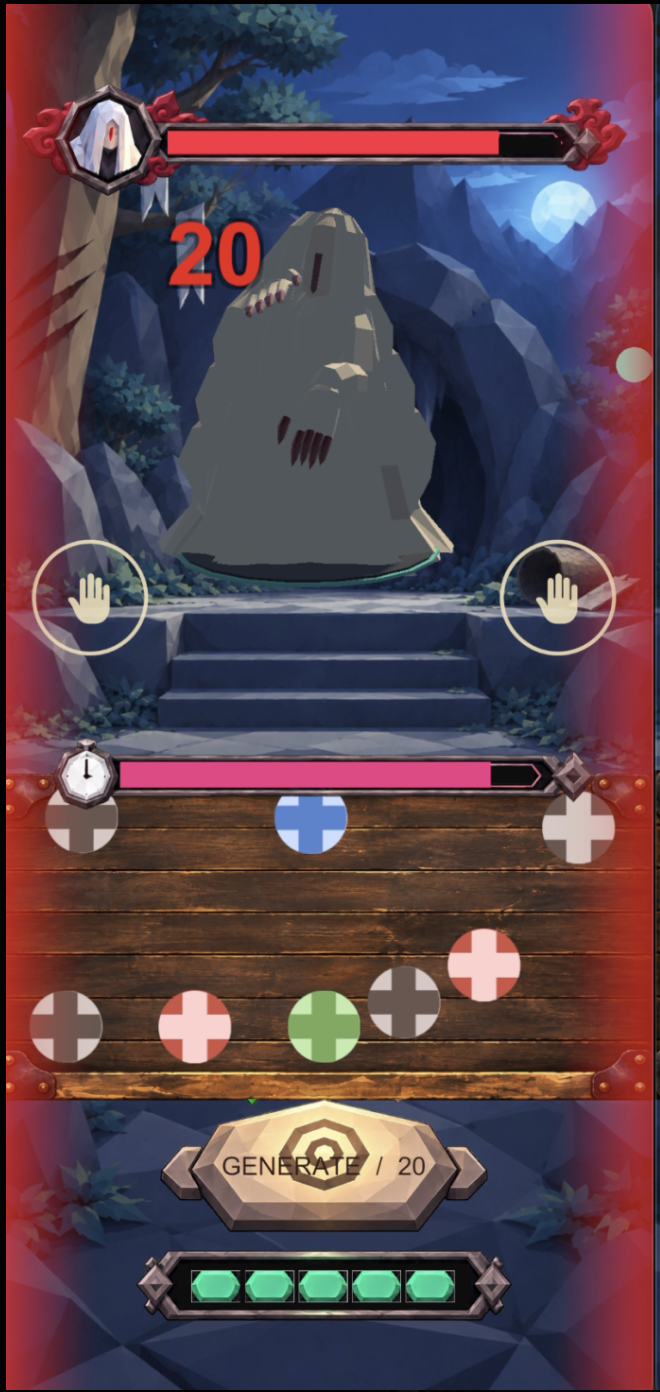
Players sit around the monster and view the battlefield from different directions on their own devices. No single player can see or control everything. Instead, players must share information, request the orbs they need, and pass resources between devices to fight together.
Unlike multiplayer games where everyone focuses on the same screen, each phone becomes a part of one shared battlefield. The current prototype supports 3–5 connected iPhones and implements the core battle flow, including orb generation, passing, combining, attacking, HP changes, and win/lose conditions.
2. How the Game Works
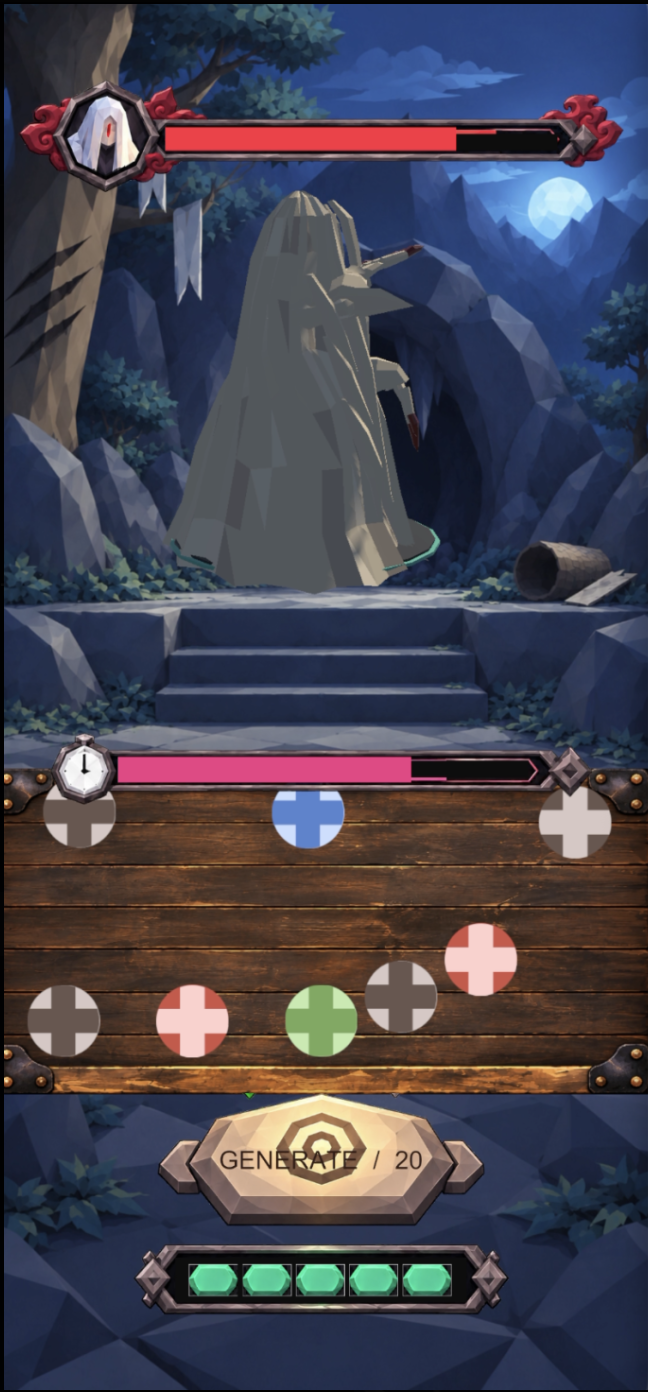
At the beginning of each battle, players check the elemental orbs available on their own devices and assess the current situation.
If a player does not have the orb required for the next action, they must ask another player for it. Players can pass orbs to adjacent devices by swiping them toward the left or right edge of the screen.
Once the necessary resources are gathered, players combine Yin and Yang orbs to prepare an attack and use the completed orb against the monster. After each attack, the team reassesses the situation and coordinates the next move.
Rather than solving everything individually, players continuously communicate around questions such as “Who has the orb we need?”, “Who should I send this to?”, and “When should we attack together?”
3. Core Loop
The core loop of Hapio is built around a short cycle of cooperative decisions:
Check the situation → Find the required orb → Request and pass resources → Combine orbs → Attack → Reassess
The important part is not simply moving an orb from one screen to another. Players need to communicate in order to make that transfer meaningful.
Because each player has different resources and information, no single player can complete every action alone. Asking for an orb, telling teammates what you have, and coordinating the timing of an attack are not secondary social features—they are part of the gameplay itself.
4. Face-to-Face Cooperation
Hapio focuses on face-to-face cooperation, where players in the same physical space actively talk and react to one another.
Players sit around a shared monster, ask nearby teammates for specific orbs, and pass resources from one device to another. A misplaced orb, mistimed attack, or unexpected situation can immediately create tension, laughter, and conversation within the group.
Cooperation in Hapio therefore means more than simply belonging to the same team. The act of constantly checking one another’s situations and synchronizing decisions is the game itself.
5. Korean Folklore as Gameplay
Rather than using Korean culture only as visual decoration, Hapio aims to turn it into something players actively interact with through the game rules.
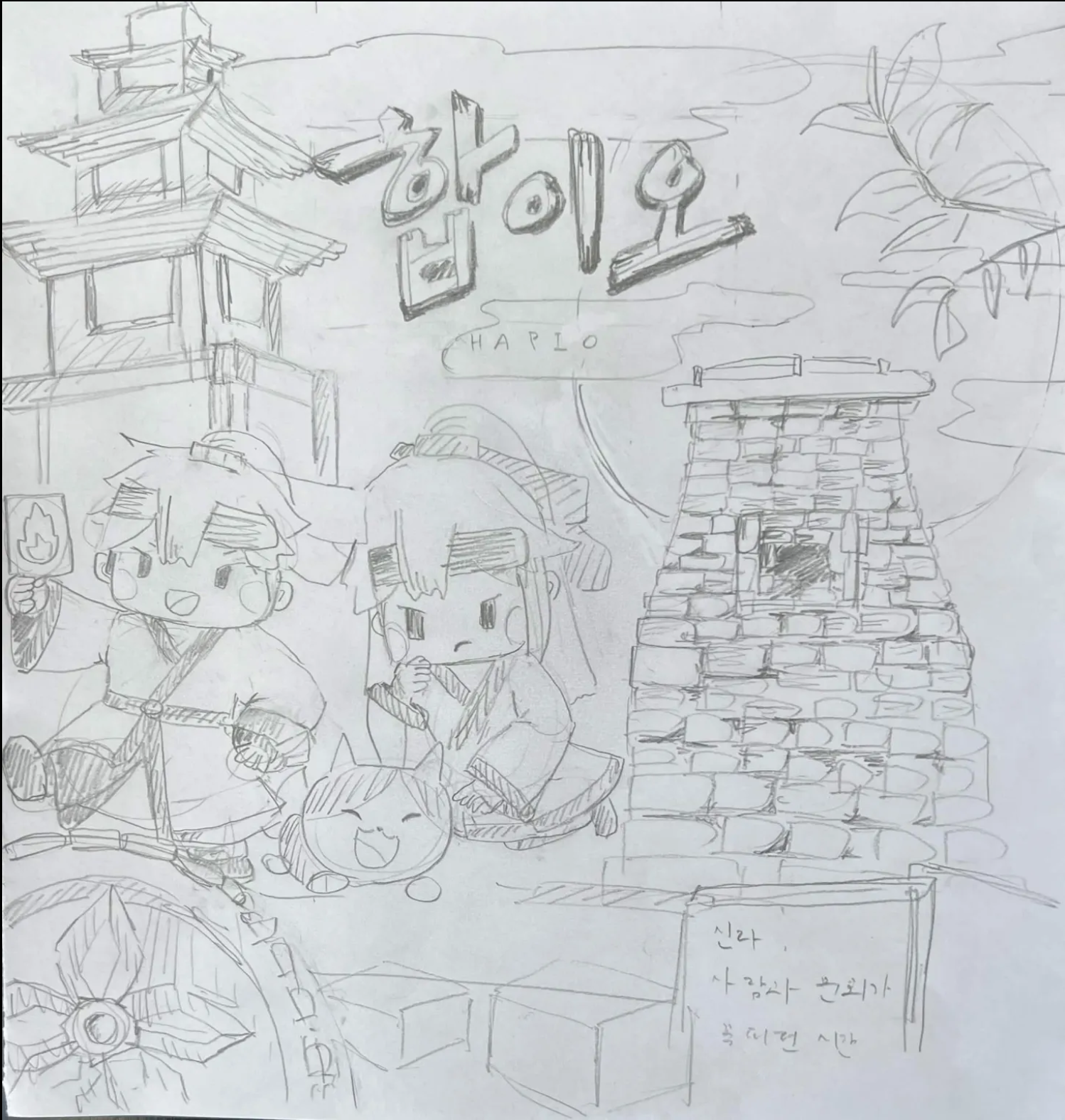
Creatures from Korean folklore become cooperative battle targets, while the concepts of Yin, Yang, and the Five Elements are translated into a system of Fire, Water, Wood, Metal, and Earth orbs that players generate, pass, and combine.
Instead of simply looking at Korean-inspired visuals, players experience the world through their actions—passing elemental orbs, combining them, and working together to defeat folklore-inspired creatures.
6. Cohesion
Every major design decision in Hapio is centered around one core experience:
working in sync with friends to defeat a single monster together.
The monster gives everyone a shared objective. Elemental orbs become resources that must move between players. Multiple connected iPhones give each player a different position and responsibility, while left and right swipe interactions resemble physically passing something to the person beside you.
As a result, the world, mechanics, device setup, interactions, and communication are designed to work together rather than as separate features—all reinforcing the experience of getting in sync as a team.
7. Distinctly Apple
Hapio does not treat the iPhone simply as a screen on which the game runs. Instead, multiple iPhones come together to create a shared play space.
Each player controls one part of the battlefield through their own device. Swiping an orb toward the left or right transfers that resource toward an adjacent player.
The interaction begins with familiar mobile gestures such as touch and swipe, but extends beyond a single screen into physical, face-to-face interaction across multiple devices.
The current prototype connects multiple iPhones and supports the core cooperative battle flow across real devices.
8. What We Want Players to Experience
The moments we want to create in Hapio are simple.
One player asks, “Does anyone have a Fire orb?” Another quickly passes it over. Everyone calls out the timing of the next attack, and the team defeats the monster together at the last possible moment.
When a session ends, we want the first reaction to be less about individual scores and more about:
“We actually worked really well together.”
That feeling of synchronization is the experience at the heart of Hapio.
9. Players & Build
Players: 3–5
Platform: iPhone
Play style: Face-to-face local cooperative multiplayer
Distribution: TestFlight
Hapio is designed specifically for group play. For the intended experience, we recommend playing with 3–5 people in the same physical space, each with their own iPhone.
Leave a comment
Log in with itch.io to leave a comment.